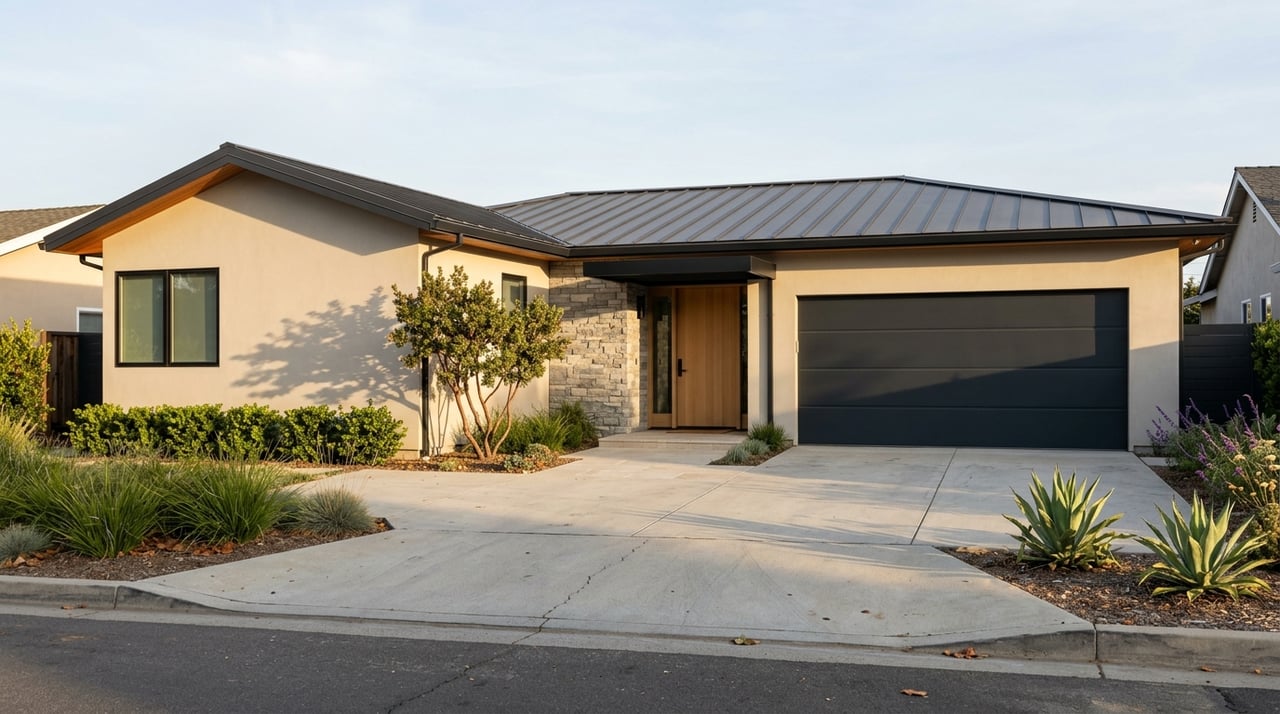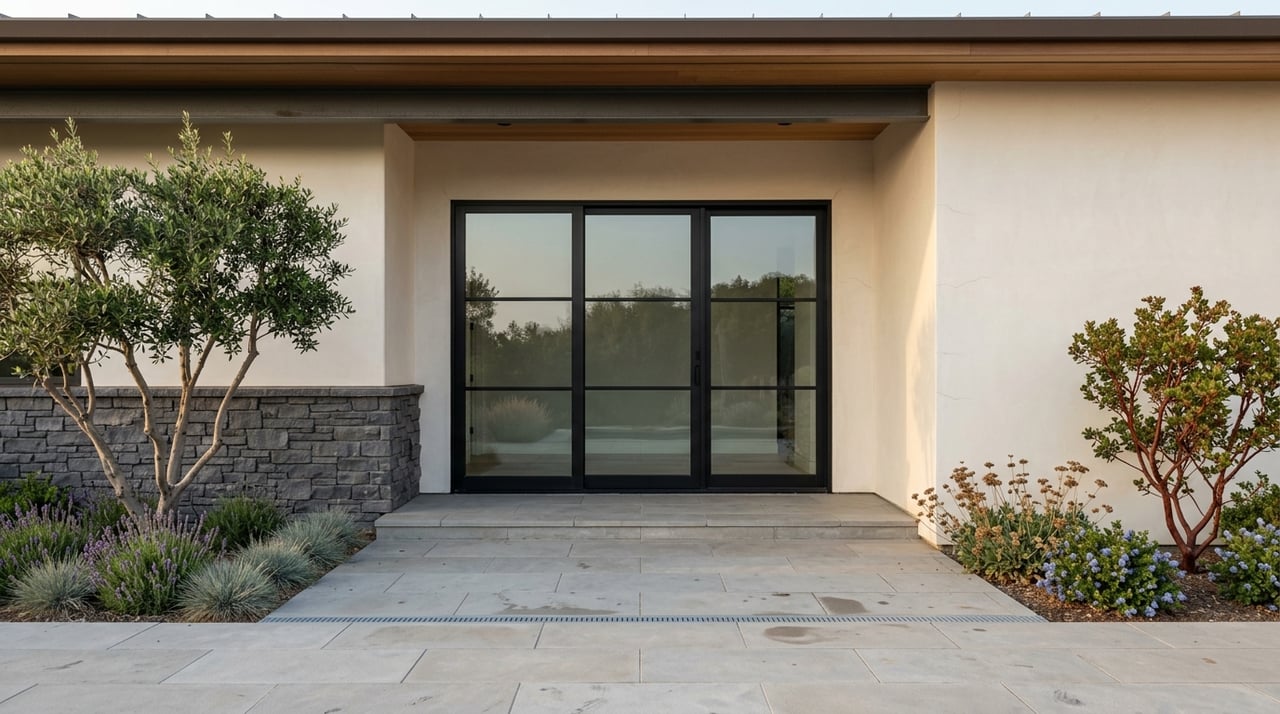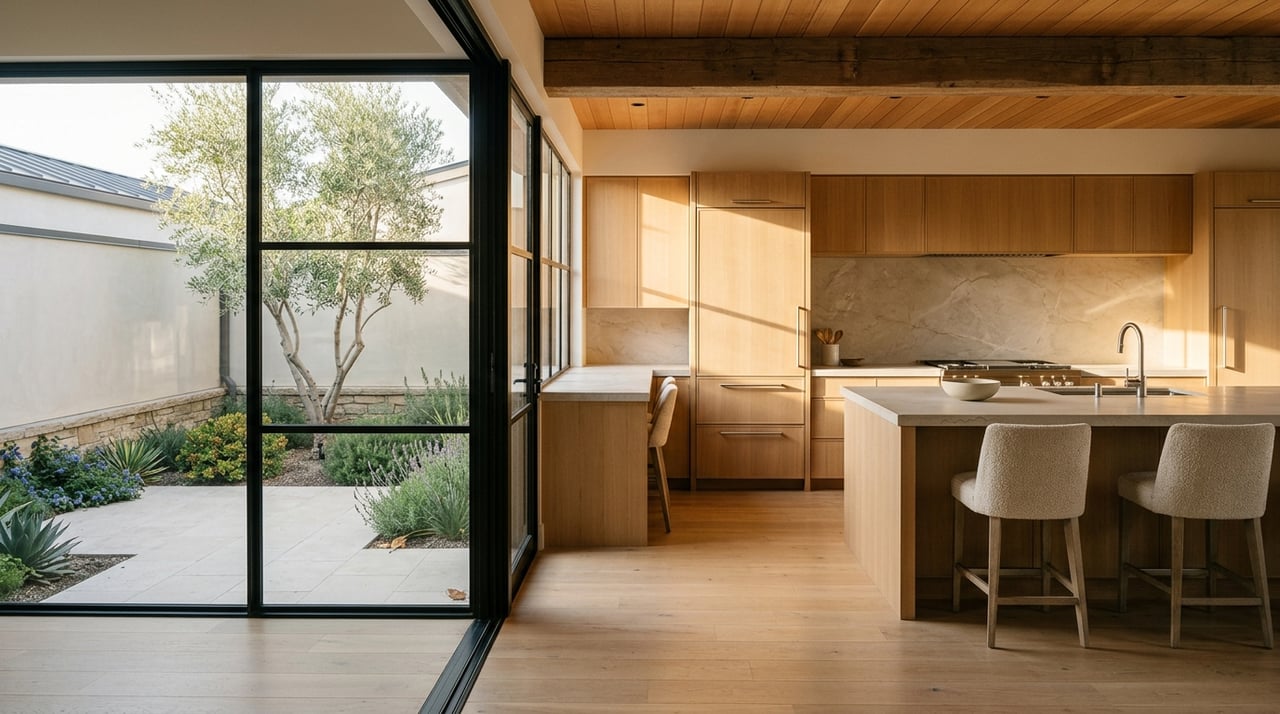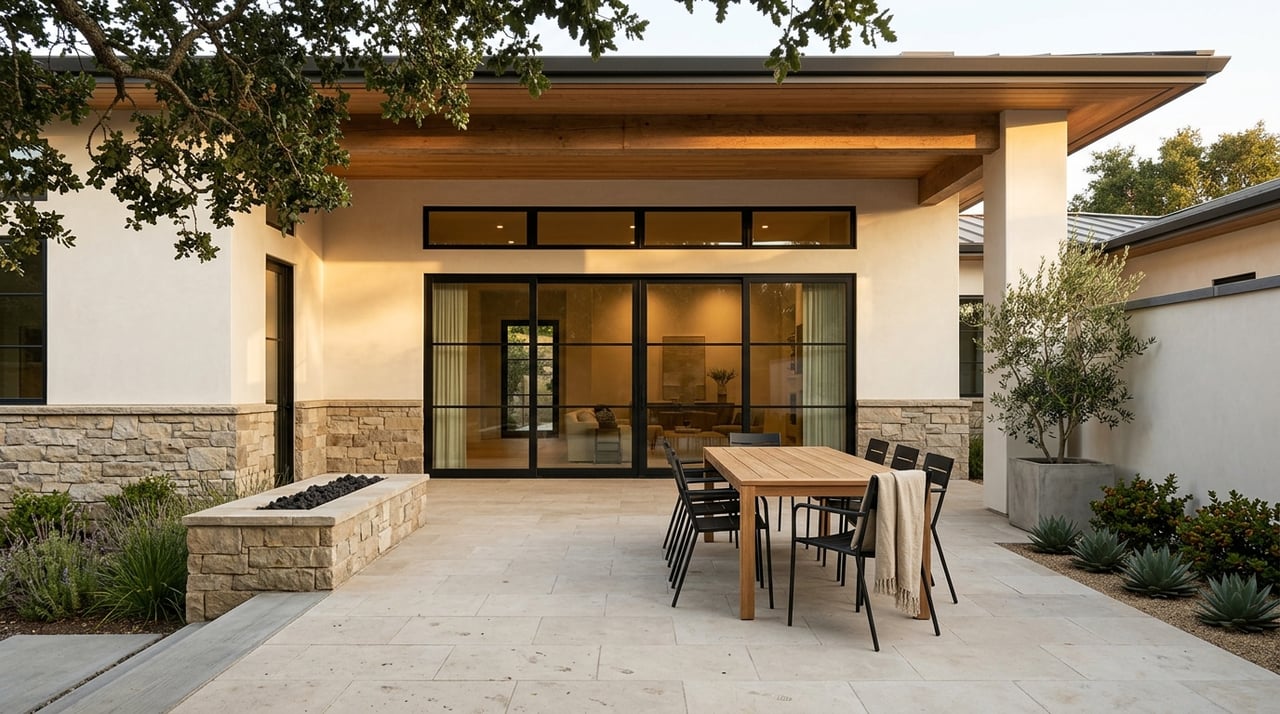
Is Cambria the kind of second-home town you fall in love with on one visit, or the kind you need to think through carefully before you buy? The answer is a little of both. If you are drawn to a quiet coastal setting, scenic trails, and a slower pace, Cambria has a lot going for it, but ownership here also comes with real costs and practical limits. This guide will help you weigh the lifestyle, the numbers, and the trade-offs so you can decide whether Cambria fits the way you actually want to use a second home. Let’s dive in.
Why Cambria draws second-home buyers
Cambria offers a very different feel from a busy resort market. It is a small, low-density community in unincorporated San Luis Obispo County with 5,678 residents, according to the U.S. Census Bureau's 2020 snapshot. That same data shows a 78.1% owner-occupied housing unit rate, which helps explain why the town often feels more residential and grounded than visitor-heavy.
A big part of the appeal is the setting itself. Moonstone Beach gives you a one-mile boardwalk, tide pools, and seasonal whale and dolphin viewing, while Fiscalini Ranch Preserve adds 437 acres of protected forest, grasslands, riparian habitat, and bluff-top ocean views. Together, these places support the kind of second-home routine many buyers want: walks, fresh air, open space, and a true break from city pace.
Cambria also balances its coastal setting with a village-style commercial core. County planning documents describe it as a small-scale residential and visitor-serving area, with commercial activity centered in East Village, West Village, and Moonstone Beach. That means you get places to dine, browse, and spend time without the feel of a dense resort strip.
There is also a wine-country advantage. Cambria has tasting rooms in town and sits close enough to winery areas to support easy weekend outings and guest itineraries. For many buyers, that combination of ocean access and wine-country convenience is part of what makes the town feel like a retreat rather than just a beach stop.
What a Cambria second home may cost
Cambria is a premium coastal market, and the pricing reflects that. Redfin reported a median sale price of $900,000 in March 2026, while Zillow's Cambria home-value index was $1,006,526. Those are different measures, but they point to the same takeaway: you should plan for a high-cost entry point.
The market can also move more slowly than some buyers expect. Redfin reported an average of 81 days on market in that same March 2026 snapshot, with only 6 homes sold. If you are shopping here, that can mean fewer available options at any given time and a market that rewards patience.
The Census Bureau adds another useful benchmark. Its quick facts page lists the median value of owner-occupied housing units in Cambria at $930,200. That number helps reinforce the idea that a purchase here is often driven by lifestyle goals first, not by the search for a lower-cost coastal property.
Property taxes and carrying costs
Purchase price is only part of the budget. San Luis Obispo County says 2025-26 ad valorem tax rates range from 1.02856% to 1.20383% per $100 of assessed value, and one Cambria-related tax rate area is listed at 1.05411%. Using that rate, a $900,000 purchase works out to about $9,487 per year in property tax before parcel-specific special assessments.
Monthly carrying costs matter too, especially if you are financing the home. The Census Bureau reports median selected monthly owner costs of $2,905 with a mortgage and $949 without a mortgage. If you are comparing a financed second home with an all-cash purchase, that difference can materially change what feels comfortable.
Utilities deserve a close look as well. The Cambria Community Services District approved water and sewer rate increases effective July 12, 2025, citing operating costs, repairs, replacements, and aging infrastructure. Water rates include a fixed charge plus tiered volumetric charges, so how often you are in town and how carefully you use water can affect your monthly bills.
The lifestyle benefits of owning in Cambria
For the right buyer, Cambria delivers something that is hard to replicate. You get a coast-focused lifestyle that feels calm and low-key, with easy access to trails, ocean views, and a walkable village atmosphere. It is the kind of place where a weekend can feel full without needing a packed schedule.
That can be especially appealing if your goal is to create a home base for personal use, visiting family, or quiet entertaining. Cambria supports simple routines well: morning walks, dinner in town, wine tasting, and downtime outdoors. If that is what you mean by a second-home retreat, the town makes a strong case for itself.
It may also appeal to buyers who prefer a more residential feel over a more commercial vacation environment. The local pattern of development and the owner-occupied character support that sense of steadiness. In practical terms, Cambria often feels better suited to lifestyle ownership than to a high-turnover vacation strategy.
The biggest trade-offs to know first
Cambria's charm comes with limits, and it is smart to understand them before you buy. The two biggest operational issues are water and wildfire preparedness. Neither one automatically rules out ownership, but both should shape how you evaluate a property.
Water constraints are a real factor
Water is the most important long-term constraint in Cambria. The Cambria Community Services District says all local water comes from wells in the San Simeon and Santa Rosa Creek basins, and the state controls how much the district can pump. The district also says the system relies on a 60-mile buried-pipe network and 980,000 gallons of storage.
The district's 2025-26 annual water supply and demand assessment predicts a 1% shortage, equal to 7.5 acre-feet, in a single-dry-year scenario. On top of that, potable wells are not permitted within the service area, and the district says it has not issued a new residential Intent to Serve letter since 2001. For buyers, that means water is not just a utility issue. It can affect renovation plans, rebuild scenarios, and how flexible a property may be over time.
If you are considering a home with future improvement potential, this is one area where local due diligence matters a lot. A house that works well as-is may be very different from a house you hope to significantly expand or reconfigure. In Cambria, water availability can shape those decisions in ways buyers from other markets may not expect.
Wildfire readiness is part of ownership
Wildfire planning is also part of the ownership picture. CCSD says Cambria is in a high-risk wildfire zone and enforces weed-abatement standards. It also notes that Cambria has Firewise USA recognition, while CAL FIRE classifies fire hazard zones as moderate, high, or very high based on factors such as vegetation, topography, climate, embers, and fire history.
For you as an owner, that means routine upkeep may include more defensible space work, vegetation management, and home-hardening than you would expect in some other coastal locations. If you want a second home that requires very little oversight, this is worth factoring into your decision early. The lifestyle is attractive, but it is not entirely hands-off.
Can you rent out a Cambria second home?
Yes, but short-term rental use is regulated and should not be treated as automatic or simple. In unincorporated San Luis Obispo County, a residential vacation rental for stays under 30 days requires a zoning clearance and a County business license. Lodging in unincorporated areas must also collect a 9% transient occupancy tax and a 1.5% tourism marketing district assessment, with an additional 2% business improvement district assessment in applicable areas.
The county's Cambria and Cayucos user guide adds more requirements. These include a Transient Occupancy Tax certificate, a 24-hour local contact, neighbor notification, on-site parking, and a maximum occupancy of two people per bedroom plus two additional people. Those rules can affect how easily a property fits your intended rental model.
Spacing limits are another major factor. The county's housing element summary says no residential vacation rental may be located within 200 feet of an adjacent street-facing parcel, and a 150-foot radius around the rental unit must be maintained. The county also says vacation rentals are not permitted in ADUs, guesthouses, farm support quarters, or unpermitted structures.
There is also an annual review fee program that began in January 2026. When you put all of that together, Cambria can offer income potential, but it is better viewed as a regulated, compliance-heavy option than as an easy offset for ownership costs. If rental flexibility is your top priority, you will want to evaluate each property very carefully before assuming the numbers work.
Who Cambria fits best
Cambria tends to work best for buyers who want a quiet, nature-forward second home and understand that the purchase is largely about lifestyle. If you value beach access, bluff trails, village amenities, and proximity to wine tasting, the town offers a distinctive mix. It can be a strong fit if you are comfortable with premium pricing and ongoing property stewardship.
It may be less ideal if you want a highly flexible short-term rental property, frequent lock-and-leave use with minimal oversight, or a market where water and wildfire planning are less central to ownership. Those are not small details here. They are part of how the town functions.
That is why the best Cambria purchase is usually one that matches your real use case. If you want a calm coastal retreat that you will enjoy personally and maintain thoughtfully, Cambria can make a lot of sense. If you want maximum rental ease or minimal operational involvement, you may find the trade-offs harder to justify.
For buyers weighing a second home in Cambria, local insight matters because the right property is not just about the view or the price. It is about how the home's location, water context, condition, and allowed uses line up with your goals. If you want help evaluating opportunities in Cambria and across San Luis Obispo County, Invest SLO can help you compare options with a clear, local perspective.
FAQs
How much does a second home in Cambria cost?
- Recent market snapshots show a median sale price of $900,000 in March 2026 and a home-value index of $1,006,526, which suggests you should plan for a premium coastal price point.
What property taxes should you expect for a Cambria second home?
- San Luis Obispo County lists one Cambria-related 2025-26 tax rate area at 1.05411%, which would put annual property tax on a $900,000 purchase at about $9,487 before any parcel-specific special assessments.
Can you use a Cambria second home as a short-term rental?
- Yes, but you need county approvals, tax registration, compliance with parking and occupancy rules, a 24-hour local contact, and the property must also meet spacing requirements.
What is the biggest practical risk of owning a second home in Cambria?
- The two main operational issues are water availability and wildfire readiness, both of which can affect long-term costs, maintenance, and future property plans.
Who is the best fit for a second home in Cambria?
- Cambria usually fits buyers who want a quiet coastal retreat for personal use, value nature and village amenities, and are comfortable managing the ongoing responsibilities that come with ownership here.